 Back to Conditions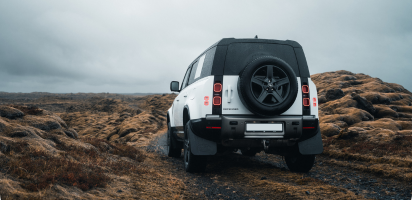
The Icelandic Roads
Loose gravel can reduce traction and cause stone damage
In Iceland, “gravel roads” generally means legal, non-F roads with an unpaved, compacted gravel surface that form a large part of the rural road network, especially outside towns and away from the Ring Road. They are open to regular rental cars when conditions are good, but they have less grip, more potholes, and higher risk of stone damage than asphalt.
-
Large parts of Iceland’s road system, especially in rural areas and the countryside, are compacted gravel rather than asphalt.
-
Primary gravel roads are usually wider and better maintained, with a typical speed limit of 80 km/h.
-
Secondary gravel roads are narrower, bumpier, can verge into “dirt tracks,” and often have a 50 km/h limit.
-
A gravel road is not automatically an F-road: if there is no “F” before the road number, it is a standard public road that any normal car may legally use (subject to rental contract), as long as conditions are safe.
-
Locally you’ll often see the “malbik endar” / “pavement ends” sign where asphalt suddenly turns to gravel.
Main driving risks on gravel
-
Reduced grip: braking distances are longer and it’s easier to skid or lose control, especially when transitioning from asphalt to gravel at high speed or in corners.
-
Loose surface: stones and loose gravel collect along the sides and on bends; this can cause sliding and loss of traction.
-
Road damage: potholes, washboard (corrugation), and sudden dips are common, and can damage suspension, tyres, and the underside on low-clearance cars.
-
Flying stones: cars ahead or oncoming traffic can throw gravel, causing chipped paint and cracked windscreens.
-
Narrow width: many gravel roads are quite narrow with blind hills, blind curves, and single-lane bridges, making encounters with other cars more risky.
Practical tips for tourists driving gravel
-
Slow down before the transition: reduce speed gradually when the “pavement ends” sign appears or when asphalt changes to gravel; hitting gravel too fast is a common cause of accidents.
-
Adjust speed to surface: even if the limit is 80 km/h, driving slower is often safer; choose speed based on washboard, potholes, and visibility.
-
Keep a big following distance: leave extra space to reduce stone impact and give yourself time to react to sudden dips or animals.
-
Move right and be courteous: on narrow gravel roads, slow down and keep as far to the right as safely possible when meeting oncoming traffic; never stop in the middle of the road except in an emergency.
-
Hands on the wheel, smooth inputs: keep both hands on the wheel, avoid sharp steering or sudden braking; if you start to skid, ease off the accelerator and steer gently into the skid rather than slamming the brakes.
-
Watch for blind hills/curves: treat blind rises, single-lane bridges, and tight corners with extra caution and reduced speed.
-
Don’t drive off-road: staying strictly on marked roads (including gravel) is mandatory; off‑road driving is illegal and heavily fined.